
Every plate tells a bigger story.
At LiquidChefs, the food guests experience is only the final expression of a much wider ecosystem. Before a dish reaches the pass, before a canapé is placed on a tray, and before the first guest walks into the room, there is a network of people, places and partnerships shaping what becomes possible.
This includes the farmers, fishmongers, bakers, brewers, winemakers, roasters, growers, makers and sustainability partners whose work sits quietly behind every event. Their role may not always be visible to guests, but it is felt in the quality, freshness, timing and care that carry through the entire experience.
For LiquidChefs, supplier partnerships have always been about more than ordering ingredients. They are built on trust, consistency, shared standards and a deep respect for the local communities that help bring each event to life.
Exceptional event catering does not begin when the chefs start cooking. It begins with the people who grow, catch, harvest, bake, brew, roast and produce the ingredients we choose to work with.
The quality of a culinary experience depends on decisions made long before food arrives onsite. That is why LiquidChefs builds relationships with suppliers who understand the pace, pressure and precision of live event environments.
At events in places like Cannes, this becomes even more important. Working with trusted local suppliers means we are not simply bringing a standard approach into a new destination.
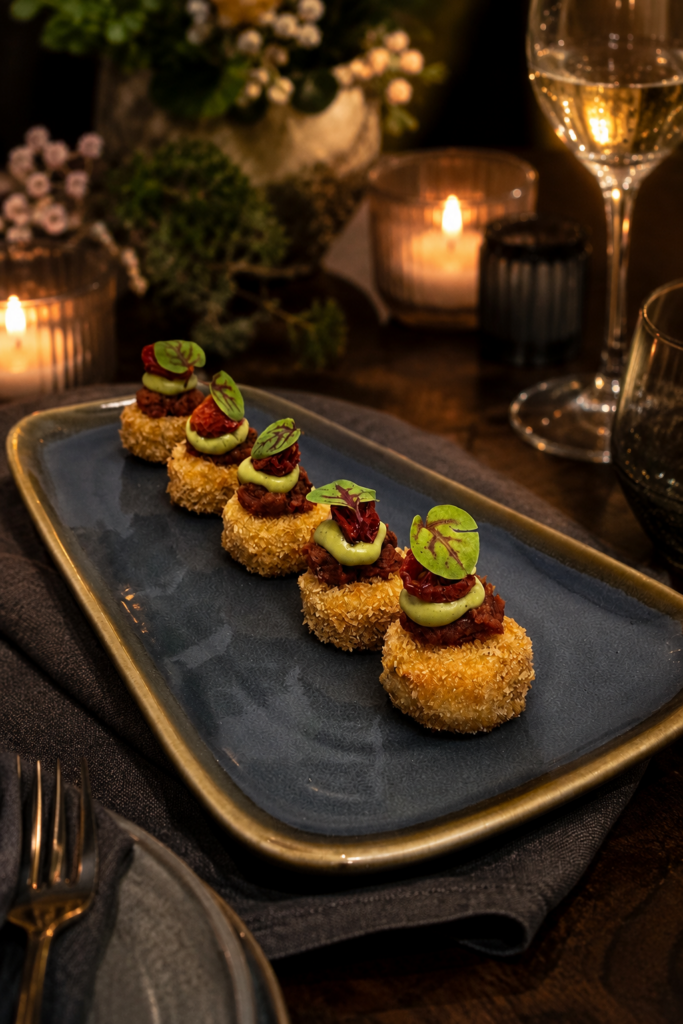
We are building from the place itself, drawing on local produce, local knowledge, local craft and local relationships. This is how a menu becomes connected to its environment, rather than simply served within it.
In large-scale hospitality, suppliers can easily be treated as part of a transaction. For LiquidChefs, the relationship runs deeper.
Our supplier network is built around people who care about their craft as much as we care about ours. From fresh produce partners and fishmongers to regional wine estates, local breweries, coffee roasters, honey producers, mushroom growers, cheese specialists and waste partners, every relationship adds something specific to the final experience.
These are not anonymous supply chains. They are working partnerships built over time, shaped by conversation, reliability and mutual respect.
When we return to the same regions year after year, those relationships become stronger. Suppliers understand our standards, we understand their processes, and together we build a rhythm that allows the work to become more precise, efficient and thoughtful.
That rhythm matters, because behind every seamless event is a long chain of people who need to move with the same intent.
LiquidChefs operates in high-pressure international event environments, but our approach is rooted in local connection.
Whether we are working with vineyards in Provence, craft beer makers on the Riviera, local bakeries, fishmongers, honey producers, mushroom growers or sustainability partners, the goal is not only to source well. It is to build a local ecosystem around each event.
This is where the idea of micro-community becomes important. A global event may bring together international guests, brands and teams, but the experience is often powered by local hands. The quality of the bread, the freshness of the fish, the flavour of the honey, the integrity of the wine and the reliability of waste management all come from people close to the ground.
That connection gives the experience depth. It allows LiquidChefs to deliver premium hospitality that still feels grounded, human and specific to place.
Sustainability is not only about what happens after an event. It is also about how we choose, who we support and what systems we build around the work.
Working with local suppliers helps reduce unnecessary movement, supports regional producers and strengthens the communities that make each destination unique. It also allows for more thoughtful planning, better communication and a more responsible approach to sourcing.
This becomes especially important when working at scale. The more connected the supplier ecosystem is, the easier it becomes to make better choices: to order with care, reduce waste, understand what is seasonal and available, and work with partners who are already thinking about sustainability in their own operations.
From responsible growing practices and recyclable packaging to local waste partners, urban honey producers and growers working within regional food systems, each relationship contributes to a bigger standard. Sustainability becomes less of a statement and more of a working practice.
Guests may not know the name of every supplier behind the meal. They may not see the early morning market runs, delivery coordination, menu testing, sourcing conversations or last-minute adjustments that happen behind the scenes.
But they feel the result.
They feel it in the freshness of the ingredients, the confidence of the menu, the timing of service and the way each detail holds together. That is the invisible work behind a LiquidChefs experience.
It is not one person, one kitchen or one service moment. It is the combined effort of many people doing their part with care, from source to service.
For us, premium hospitality is not only about how something looks on the plate. It is about everything that came before it.
It is the relationship with the grower, the trust in the fishmonger, the baker who understands timing, the winemaker who understands place, the roaster who understands flavour, the waste partner who helps close the loop, the chef who brings it all together and the team who carries it through service.
This is what people mean when they talk about quality, even when they cannot always name it. It is the integrity behind the ingredients, the consistency behind the service and the care behind every decision.
At LiquidChefs, the plate is never just the plate. It is the final expression of a community built around shared standards, local knowledge and the belief that exceptional hospitality is always powered by people.
The best culinary experiences do not happen in isolation. They are grown, gathered, prepared and delivered by the people behind the plate.